

The Market Today
Dubai records high transaction volumes through 2025, with a rise in sales counts and notable value totals recorded at year’s end. The emirate closed the year with record sales volume, registering over 200,000 sales transactions and a sharp increase in total value.
Market reports show apartments leading deal flow, and off-plan sales attract various buyers. Analysts see a lot of activity over several quarters, and construction projects will finish in the next few years.
What Drives Current Demand?
International buyers see regulatory clarity and longer residency options as reasons to purchase. Local buyers expand their footprint as professional populations grow. Real estate companies in the area say people are still buying houses in cities and suburbs, and there’s a lot of interest in apartments.
Asil Ersoydan on Buyer Profile and Product Mix
“I see three buyer groups,” Asil says. “First, high-net-worth purchasers who want unique homes near premium amenities. Second, professionals want efficient units near transport links. Third, families who seek low-rise housing close to schools. He accentuates product clarity and matched infrastructure as keys to the long-term success of any project.
Design’s Shift: From Spectacle to Everyday Use
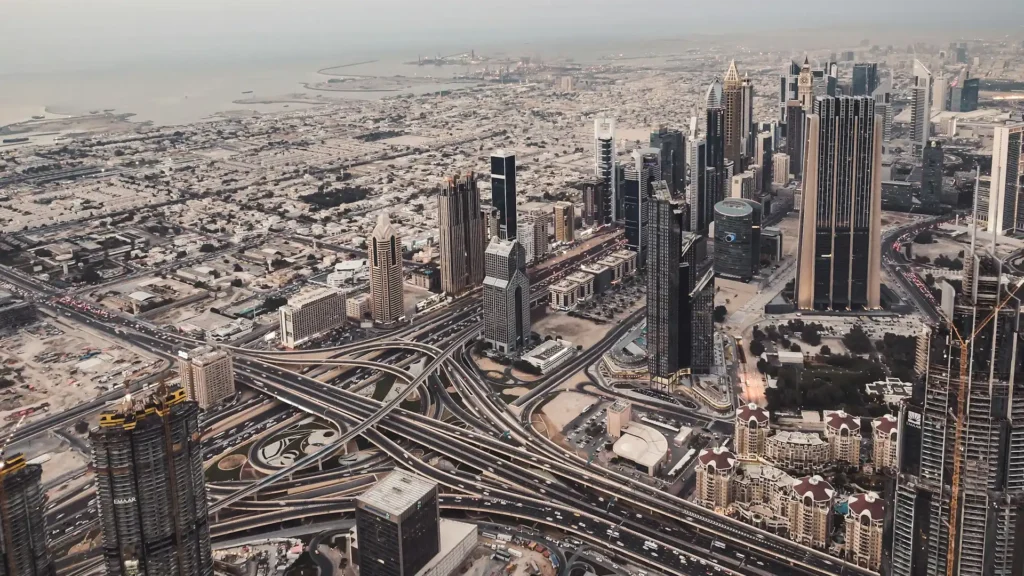
Developers now plan projects that pair mobility, utility, and green systems. Solar panels, water-saving tech, and efficient cooling are mentioned in the early project details and approvals. Municipal plans push a longer horizon for resource use and public space decisions under the urban master plan.
Design teams must translate those policies into layouts that support children, older adults, and work hubs. Asil notes, “Project briefs must include clear public space and transit links. Buyers will choose projects that reduce commute friction and improve daily rhythm.”
Risk And Supply Balance
The upcoming housing supply is a topic of discussion. Some are concerned about the quantity, while others highlight steady demand from international arrivals. Analysts provide scenarios where price movement follows a supply surge and a period of price recalibration. Planning teams must include multiple price scenarios in financial models.
Technology And Project Delivery
Developers use digital tools to present layouts and schedule work. Buyers now review digital models and approve units earlier in project cycles. Contractors use drone surveys and model checks to reduce rework and shorten build timelines. Those techniques improve transparency and minimize handover cycle time.
Affordable Product Needs and Policy Response
Middle-market housing has grown faster than luxury housing in several quarters. Leaders in the sector publish mid-tier launches near transit corridors to serve professionals. When policies favor rental income and urban areas, projects that offer both rental returns and resale opportunities become simpler.
Arex Development’s 2035 Focus, Asil’s Voice
“We place three items at the center of Arex’s plan to 2035,” Asil Ersoydan states. “One, steady delivery of mixed products that meets income diversity. Two, urban nodes that pair living with work and services. Three, long-term asset stewardship, not short-term turnover.” He adds, “We will report progress each year and adjust the project mix as city signals arrive.”
Asil Ersoydan outlines Arex’s plan: a phased pipeline to increase rental and family units in arterial corridors, plus sustainable homes with reduced costs. He frames targets as operational milestones that the board will track through regular reviews.
How projects must change to remain relevant
Project briefs must include local services and school access in prior approvals. Designs must reduce energy use in daily operations. Contracts must include payment milestones that align with the buyer’s cash flow. Financing teams must model multiple exit options. Urban planners must align projects with transport timelines in the master plan. Those combinations produce resilience.
A Note on Global Comparison and UAE Specifics
A key differentiator for Dubai’s market compared to other global cities lies in its tax regulations and the high volume of transactions by foreign purchasers. In line with the Dubai 2040 plan, the emirate will prioritize the development of its urban centers and the efficient use of resources. The policy foundations offer a dependable long-term outlook for substantial investments.
What Residents Will Expect By 2035
Residents will expect reduced commute time, stronger local retail, and lower home operating bills. They will expect clear delivery milestones for off-plan units and reliable maintenance through handover. Buyers will prize transparent governance and reliable financial models for projects that promise steady value.
Final Words From Asil Ersoydan
“We build homes that hold value and serve daily life,” Asil Ersoydan says. Our position is at the intersection of urban planning and private investment. He terminates the discussion with a resolute statement concerning stewardship and stable growth. The housing sector in Dubai is currently navigating a phase characterized by significant dynamism and explicit policy objectives. Developers who match product to transport and include life-cycle costs in their plans and budgets will win buyer preference and investor trust. Arex will publish yearly progress and invite partners to review milestones and project briefs.